

High blood pressure is a serious health condition that affects many adults. Managing it properly can prevent heart attacks, strokes, and other health problems. For patients in Florida, understanding what to expect from hypertension management helps make care clear, simple, and effective.
At Harvest SS Health, the focus is on patient-centered care. Our team uses active listening and clear communication to ensure every patient understands their treatment. This approach makes managing hypertension less stressful and more successful.
Why Hypertension Management Matters?
High blood pressure often shows no obvious signs but can lead to serious health complications if left untreated. Boynton Beach’s hypertension management emphasizes early detection through regular screenings and check-ups.
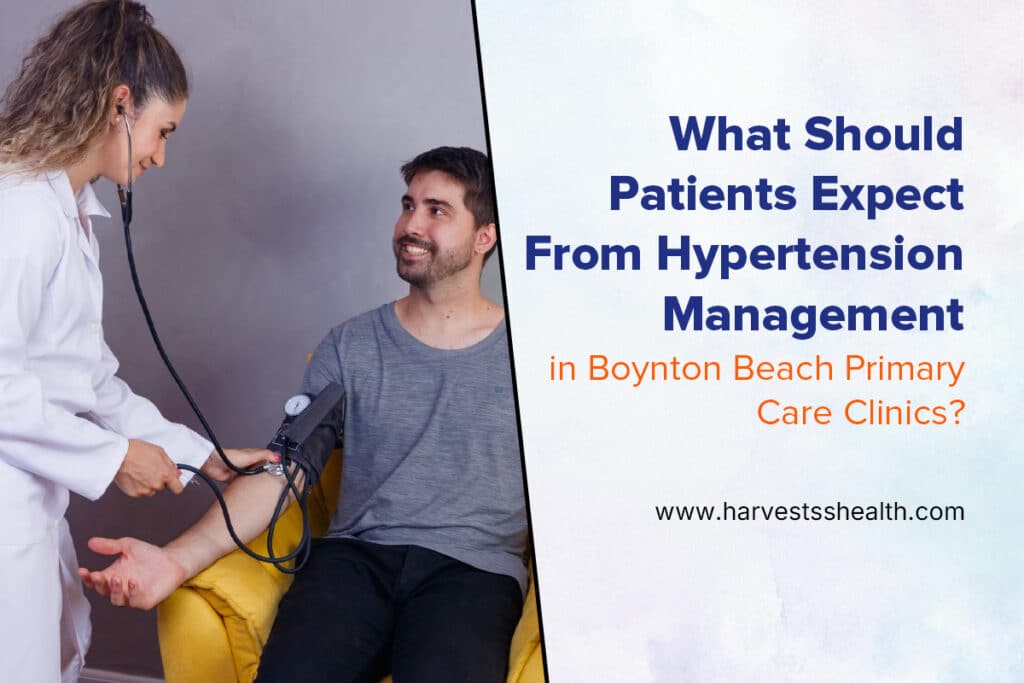
Patients learn about their risk factors, including family history, diet, and lifestyle habits. Understanding these factors helps doctors create a plan that prevents future complications. With this foundation, patients are ready to take the next steps in managing their health
The First Visit: What to Expect
The initial consultation is the first step in hypertension management. During this visit, the healthcare team gathers medical history, checks vital signs, and discusses lifestyle habits.
Patients also receive education about blood pressure readings and learn why consistent monitoring is important. By the end of the visit, they have a clear understanding of the next steps and what support is available. This helps patients feel confident and involved in their care.
Creating a Personalized Care Plan
Each patient is different, so hypertension management includes a personalized care plan tailored to individual needs.
Doctors consider medical history, lifestyle, and personal goals when making recommendations. Plans often include medication, diet changes, exercise routines, and stress management strategies. This personalized approach ensures that patients get care that is practical and sustainable.
Monitoring Blood Pressure at Home and Clinic
Consistent tracking is essential for controlling hypertension. Patients enrolled in hypertension management are encouraged to monitor their blood pressure at home and bring readings to appointments.
Regular monitoring helps doctors adjust treatments quickly and ensures patients understand how daily habits impact their blood pressure. Tracking progress keeps patients engaged and aware, which is important for long-term success.
Medication Guidance and Adjustments
Medication is often part of hypertension management. Doctors explain which medications are necessary, how they work, and when adjustments might be needed.
Patients learn how to take medicine safely, what side effects to watch for, and how lifestyle changes complement medication. Understanding these details helps patients follow their plan confidently and improves overall outcomes.
Healthy Lifestyle Tips
Managing blood pressure requires more than medicine. Boynton Beach’s hypertension management includes guidance on diet, exercise, and stress reduction.
Patients may receive practical tips like reducing sodium intake, walking daily, or practicing deep breathing exercises. Small, consistent changes can have a big impact on blood pressure and overall health. These strategies help patients take control of their care at home.
Nutrition Advice for Heart Health
Good nutrition plays a key role in hypertension management. Patients participating in hypertension management learn which foods help lower blood pressure and which to avoid.
Doctors provide examples like fresh fruits, vegetables, lean proteins, and whole grains. Patients also learn portion control and meal planning tips. Proper nutrition not only supports blood pressure control but improves energy and general well-being.
Stress Management and Mental Health
Stress affects blood pressure and overall health. Boynton Beach’s hypertension management teaches patients techniques to reduce stress, such as meditation, yoga, or journaling.
Regular practice of these methods helps patients feel calmer and more in control of their health. By incorporating mental wellness into treatment, patients are better equipped to maintain healthy blood pressure long-term.
Importance of Regular Check-Ups
Regular visits are an important part of hypertension management. Check-ups allow doctors to assess progress, update care plans, and address any concerns.
Patients can ask questions about medications, lifestyle strategies, or symptoms they notice. Ongoing communication strengthens the doctor-patient relationship and ensures care is both effective and personalized.
Recognizing Complications Early
Hypertension can cause serious complications if not managed. Boynton Beach’s hypertension management includes monitoring for heart disease, diabetes, and kidney problems.
Patients are educated about early warning signs like swelling, dizziness, or chest discomfort. Prompt reporting allows doctors to adjust treatment before complications worsen. This proactive approach improves safety and confidence in care.
Team-Based Care Approach
A collaborative approach is central to hypertension management. Doctors, nurses, and support staff work together to provide coordinated care.
Patients may also be referred to specialists when needed. Clear communication between providers ensures everyone is on the same page, which keeps treatment efficient and reduces confusion.
Using Technology to Stay on Track
Technology helps patients stay engaged with their care. Hypertension management may include apps or devices to track blood pressure, schedule reminders, and share readings with providers.
This allows for quick adjustments and ongoing support without extra clinic visits. Technology makes it easier for patients to follow their care plan and stay informed about their health.
Education and Empowerment
Learning about hypertension is crucial. Patients involved in hypertension management receive educational materials, counseling, and support to understand their condition.
They learn how lifestyle choices affect blood pressure, the importance of taking medications properly, and when to seek help. Education helps patients feel empowered and actively involved in their care.
Integrating Care for Other Conditions
Many patients managing hypertension have other health issues. Hypertension management takes a holistic approach by coordinating care for conditions like diabetes, high cholesterol, or joint pain.
Doctors create care plans that address all health needs together. This integrated strategy prevents conflicts between treatments and improves overall health outcomes.
Preventive Measures for Long-Term Health
Prevention is a key part of hypertension management. Clinics focus on screenings, vaccinations, and check-ups to prevent secondary complications.
Patients may learn tips for maintaining heart health and avoiding lifestyle habits that worsen blood pressure. Preventive care ensures long-term well-being and reduces the need for emergency treatments.
Making Care Easy and Accessible
Visiting a clinic should be simple. Boynton Beach’s hypertension management focuses on clear communication, appointment reminders, and friendly staff.
Patients are guided through each step of care, from check-ins to follow-ups. By simplifying the process, clinics reduce stress and make it easier to stay on track with treatment.
Family and Community Support
Support from family and the local community enhances Boynton Beach’s hypertension management. Patients who share their goals with loved ones are more likely to follow lifestyle changes.
Clinics may suggest community programs or group activities to encourage exercise and healthy habits. Social support helps patients stay motivated and engaged in their care.
Staying Committed for Long-Term Success
Successful hypertension management requires commitment. Patients participating in Boynton Beach’s hypertension management are encouraged to set achievable goals and track progress.
Celebrating small successes, like lowering blood pressure or improving diet, motivates continued effort. Long-term commitment ensures that patients maintain control over their health.
When Specialist Care Is Needed
Some cases require specialized attention. Boynton Beach’s hypertension management may include referrals to cardiologists or other specialists for advanced care.
Primary care providers coordinate with specialists to ensure a smooth transition and clear communication. This ensures that patients receive comprehensive care without confusion.
Final Thoughts
Managing high blood pressure is a journey. Patients choosing hypertension management can expect personalized care, ongoing support, and practical guidance.
By combining screenings, medication, lifestyle changes, and education, primary care clinics help patients take control of their health. With consistent effort, hypertension can be managed effectively, improving quality of life for years to come.
Frequently Asked Questions
Q. What can patients expect during a hypertension visit?
Patients can expect a blood pressure check, open discussion about their health, and a clear care plan explained in simple words. Hypertension management focuses on listening first so care matches the patient’s needs, which helps build trust and confidence as care continues.
Q. How often should blood pressure be checked at a primary care clinic?
The frequency of blood pressure checks depends on the patient’s condition and overall health. With Boynton Beach’s hypertension management, providers guide patients on the right schedule during routine visits, which helps ensure steady monitoring over time.
Q. Is education included as part of hypertension care?
Yes, education is an important part of care. Boynton Beach’s hypertension management includes health education and counseling so patients understand their condition, treatment plan, and next steps, making it easier to stay involved in their care.
Q. Can primary care clinics manage hypertension long term?
Primary care clinics are well suited for ongoing care. Boynton Beach’s hypertension management focuses on regular follow ups, prevention, and coordination to support patients throughout their long term health journey.
Q. When should someone schedule an appointment for blood pressure care?
Patients should schedule an appointment for routine screenings or if they have concerns about their blood pressure. Boynton Beach’s hypertension management encourages early visits to help patients take control before issues become harder to manage.