

At our clinic, we aim to provide more than clinical treatments. We strive to create a space where individuals feel understood, supported, and encouraged to explore both their physical and emotional health. As we care for patients, we recognize that emotional literacy is an essential part of the overall health journey.
Helping individuals understand, express, and manage emotions can become an integral aspect of our everyday services. Harvest Family Medical represents a model of how emotional understanding may be included in primary care with intention and care.
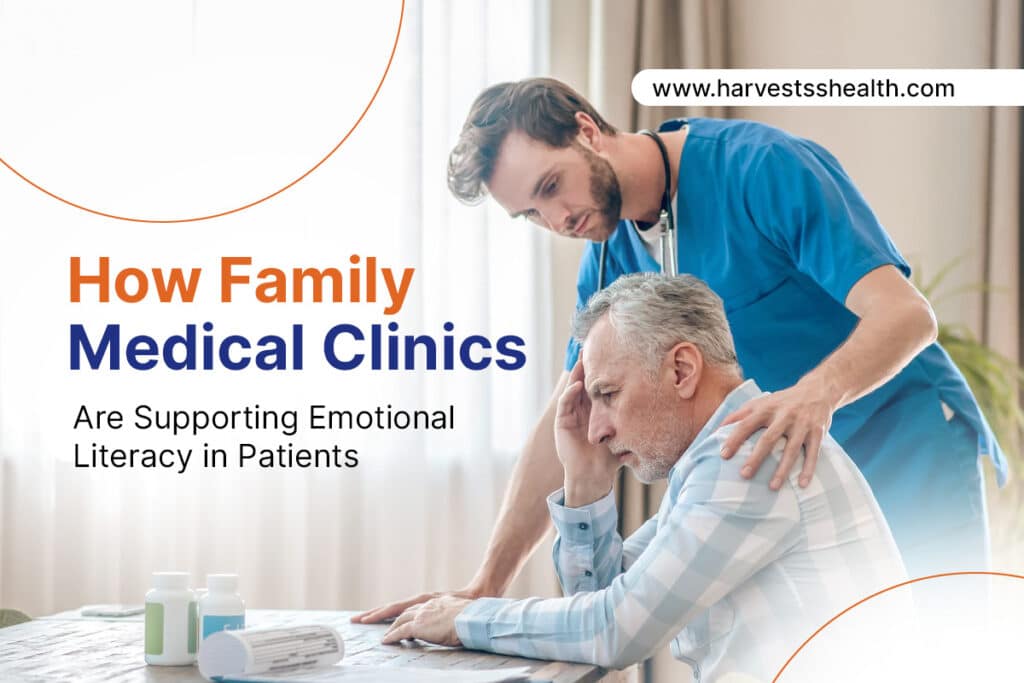
Healing Begins with Feeling Seen
When care is built around people rather than conditions, it can bring a deeper sense of connection to the clinical experience. The environment being shaped is designed to feel safe, welcoming, and respectful. By treating each person with dignity and full attention, the process of healing often begins before any test is run or prescription is written.
Listening closely can allow patients to feel that their voice has value. This may open the door to discussing emotional experiences that are often linked to physical symptoms. When people feel seen, they may be more likely to express what has been weighing on their minds.
Teaching More Than Medicine
Knowledge has the ability to support growth and healing. Education and counseling services can offer more than explanations; they may serve as a pathway toward better emotional understanding. When individuals receive information about their health in clear and supportive language, they are more likely to engage with it, ask questions, and participate in their own care.
The education process may include lifestyle guidance, counseling for stress, help with behavioral concerns, and ongoing health coaching. Each of these touchpoints allows emotional awareness to emerge naturally. Instead of separating emotional support from physical care, these areas are treated as equally significant.
Prevention with Emotional Awareness in Mind
Preventive care often begins with screenings, check-ups, and vaccinations. But it also might include time spent discussing emotional stress, long-term wellness goals, or concerns about life changes. When these conversations happen in a primary care setting, emotional literacy becomes a normal and accepted part of the healthcare experience.
Ongoing support with behavior, diet, and general well-being helps people notice how emotions and health connect. By including these discussions in regular care, people can gain more confidence in expressing what they feel, both physically and emotionally. Harvest Family Medical reflects this approach by integrating emotional and behavioral health into the core of its preventive services.
Walking Beside Patients Every Step of the Way
From the time someone schedules a visit through follow-up care or referrals, they may benefit from steady guidance. Coordinated care can reduce confusion, ease emotional stress, and allow patients to stay informed as they move through treatment.
When referrals are required, the support does not stop. Communication with specialists and timely follow-ups help patients feel that they are not left to figure things out on their own. This continuity can give space for emotional concerns to be addressed at every step, especially when the path ahead feels uncertain.
Listening That Makes a Lasting Difference
Compassion and patience are not extras in healthcare. They can shape the way someone feels about the entire experience. When care is built on empathy, it becomes easier for people to speak honestly about how they feel.
Active listening encourages openness. Simple acknowledgment of someone’s fear, confusion, or frustration may bring comfort. And over time, these moments can help individuals become more comfortable identifying and naming their own emotions, which is a key part of emotional literacy.
Clarity That Builds Confidence
Helping people understand their diagnosis, treatment, and options is not about overwhelming them with facts. It is about guiding them through the decision-making process in a way that feels respectful and balanced. Clear communication builds trust. It also helps reduce fear or uncertainty, which are common emotional responses in medical situations.
With the right support, people can feel more informed and confident. They begin to recognize the emotional reactions they experience and are better prepared to respond to them with awareness and resilience.
Supporting the Person, Not Just the Symptoms
This approach to healthcare includes every aspect of a person’s life. Emotional health often shows up in the body, and physical health influences how someone feels. This connection is always present. That is why care has to be built around the whole person.
By creating a setting where emotional expression is encouraged, patients feel that their entire experience matters. They may learn how to communicate more clearly, understand how stress affects their body, and seek support before emotional strain turns into physical illness.
Conclusion: Encouraging Expression for Better Outcomes
Family medical clinics can offer more than routine care. They might serve as daily guides for emotional awareness and growth. Through thoughtful education, communication, and compassionate care, patients are more likely to connect with their emotions and use that understanding to support their health. Emotional literacy does not need to exist outside the primary care environment. It can become a natural part of every visit, every conversation, and every decision. Harvest Family Medical offers one example of how emotional well-being and healthcare may work together. When emotional literacy is supported with intention, people are more prepared to express their needs, understand their feelings, and take steps that serve their long-term health and stability.