
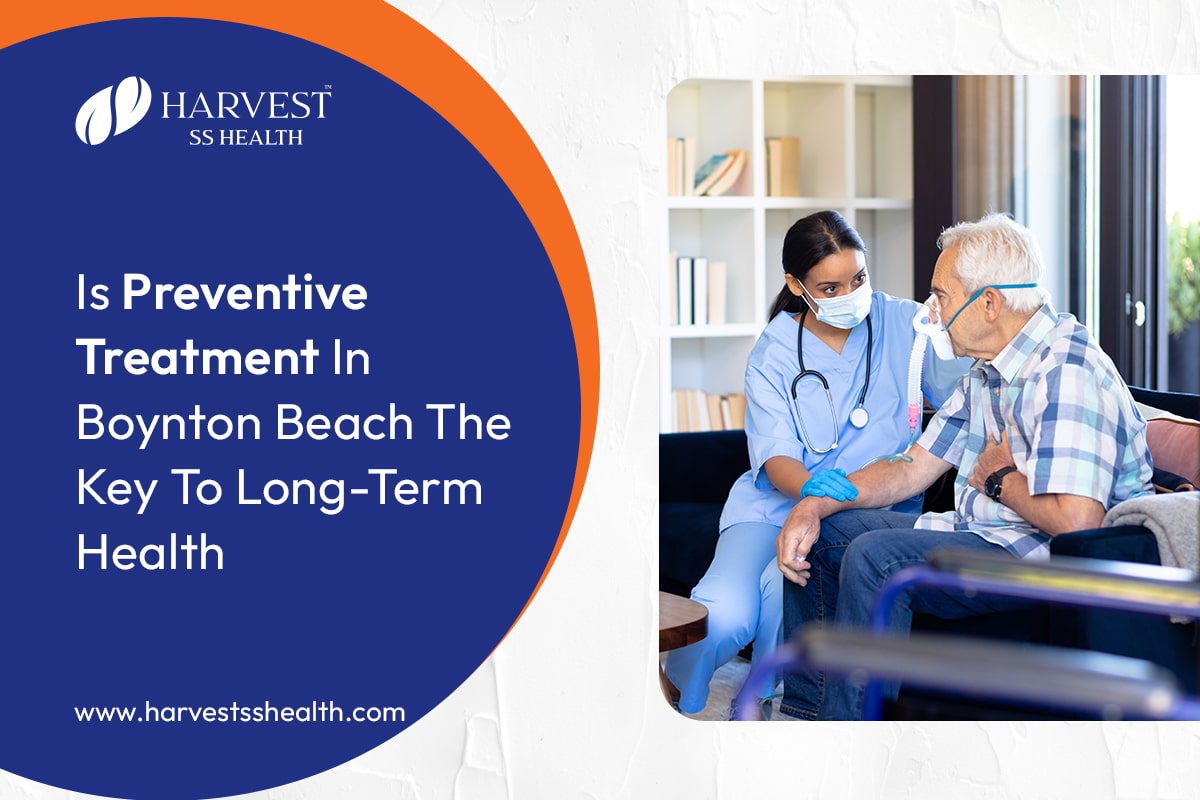
Health often feels manageable until something begins to feel off. Small symptoms are ignored, routines get busy, and regular checkups are delayed. Over time, these small gaps can turn into larger concerns. That’s where a thoughtful approach to care begins to matter. Many individuals are now turning to preventive treatment in Boynton Beach as a way to stay ahead of health issues rather than react to them later.
Taking care of your health doesn’t need to feel complicated or overwhelming. With the right guidance and simple habits, long-term wellness becomes easier to maintain.
Let’s explore how preventive care can quietly shape a healthier future.
Why preventive care matters more than ever
Preventive care focuses on identifying risks early, often before symptoms even appear. It includes regular screenings, wellness visits, lifestyle guidance, and monitoring of existing conditions. Instead of waiting for illness, it builds a steady foundation for overall well-being.
This approach helps reduce the chances of serious conditions developing unnoticed. Early detection also means treatments can be simpler, less stressful, and more manageable.
When care is consistent, individuals tend to feel more confident about their health decisions. There’s a sense of clarity that comes from knowing where things stand and what steps to take next.
Building a routine that supports long-term wellness
Creating a health routine doesn’t require dramatic changes. It begins with small, steady actions that fit into everyday life. Regular visits to a primary care provider, balanced nutrition, and simple movement habits can make a meaningful difference.
Routine checkups help track changes in the body over time. Blood pressure, cholesterol, and other markers provide insight into overall health. These small check-ins act as early signals, allowing adjustments before concerns grow.
When care becomes a regular part of life, it feels less like an obligation and more like a natural rhythm.
Understanding personalized preventive plans
Every individual has a unique health profile. Age, lifestyle, family history, and daily habits all play a role in shaping care needs. Preventive plans are designed to reflect these differences rather than offering a one-size-fits-all approach.
A personalized plan may include screenings, lifestyle adjustments, and guidance tailored to specific goals. For some, it may focus on heart health. In contrast, for others, it may center around managing blood sugar or maintaining mobility.
This level of attention helps create a sense of reassurance. It allows individuals to move forward with confidence, knowing their care is aligned with their needs.
Access to care without added stress
For many people, navigating healthcare costs can feel confusing. Insurance plans, unexpected bills, and complex systems often create barriers to consistent care. This is why more individuals are exploring options such as primary care providers accepting cash-paying patients.
This model offers a simpler way to access care. Patients know what to expect and can plan their visits without uncertainty. It removes layers of complexity, making healthcare feel more approachable and less stressful.
When care becomes easier to access, people are more likely to stay consistent with their health routines.
Preventive care and everyday lifestyle choices
Health is shaped not only by medical visits but also by daily habits. Nutrition, sleep, stress levels, and movement all contribute to overall well-being. Preventive care works hand in hand with these factors.
Simple choices, like choosing balanced meals or maintaining a steady sleep routine, can have lasting effects. When these habits are combined with regular medical guidance, the results become even more meaningful.
The goal is not perfection but consistency. Small, steady efforts often lead to the most lasting improvements.
Early detection and peace of mind
One of the most valuable aspects of preventive care is the peace of mind it provides. Knowing that your health is being monitored regularly reduces uncertainty. It allows concerns to be addressed early, often before they become serious.
Screenings and routine tests provide clarity. They help identify patterns and changes that may not be visible otherwise. This early awareness allows for timely decisions and better outcomes.
Feeling informed about your health creates a sense of calm and control.
Strengthening the patient-provider relationship
Preventive care encourages ongoing communication between patients and providers. Over time, this relationship becomes more comfortable and open. Patients feel heard, and providers gain a deeper understanding of individual needs.
This connection helps create a supportive environment where questions can be asked freely. It also allows for more accurate guidance, as care is based on a clear understanding of personal health history.
A strong relationship often leads to better health decisions and a more positive care experience.
Making healthcare feel more approachable
Healthcare doesn’t need to feel distant or complicated. When systems are simplified and care is personalized, it becomes easier to engage with. Preventive care plays a key role in creating this shift.
Regular visits become familiar rather than intimidating. Questions are addressed without hesitation, and guidance feels practical rather than overwhelming.
This approachable experience encourages individuals to stay connected to their health, making long-term wellness more achievable.
Preventive care for every stage of life
Health needs change over time. What matters in early adulthood may differ from what becomes important later. Preventive care adapts to these changes, offering guidance that evolves with each stage of life.
For younger individuals, it may focus on building healthy habits and monitoring basic markers. For older adults, it may involve more detailed screenings and the management of existing conditions.
This adaptability ensures that care remains relevant and supportive, no matter where someone is in their journey.
Taking the first step toward better health
Starting a preventive care routine doesn’t require a major commitment. It begins with a simple decision to prioritize health. Scheduling a visit, asking questions, and understanding your current health status are meaningful first steps.
From there, small adjustments can be made gradually. Over time, these changes create a steady path toward improved well-being.
The journey is not about quick fixes but about building a lasting foundation.
A gentle reminder about consistency
Consistency is often the most overlooked part of health. It’s easy to start strong and then lose momentum. Preventive care helps maintain that rhythm by providing regular check-ins and guidance.
These check-ins act as reminders to stay on track. They help reinforce positive habits and address any challenges that may arise.
With consistent care, progress becomes more sustainable and less overwhelming.
Bringing it all together
Choosing a proactive approach to health can make a noticeable difference over time. With preventive treatment in Boynton Beach individuals gain access to thoughtful care that focuses on long-term well-being rather than short-term fixes.
Combined with options such as primary care providers accepting cash-paying patients, healthcare becomes more accessible and easier to manage. This balance allows individuals to maintain consistency in their care without added stress.
Ready to take the next step
If you’ve been thinking about improving your health routine, now is a good time to begin. A simple visit can provide clarity, direction, and reassurance.
We’re here to help guide you through every step of your wellness journey with care that feels comfortable and easy to access. Reach out today and take that first step toward better health with Harvest SS Health.
FAQs
1. What is preventive care, and why is it important
Preventive care focuses on early detection and maintaining overall health. It helps identify risks before they develop into serious conditions.
2. How often should I schedule preventive visits?
It depends on age, lifestyle, and health history, but most individuals benefit from at least one annual checkup.
3. Is cash-based primary care a good option
For many people, it offers a simpler and more transparent way to access healthcare without dealing with complex insurance systems.