

Preventive health care is one of the most important investments you can make in your long-term wellness. Rather than waiting for symptoms to appear or health issues to escalate, preventive care focuses on early detection, risk reduction, and long-term health planning. It empowers you to stay informed and ahead of potential concerns. We offer a full range of services that include screenings, diagnostics, and personalized care strategies. Our preventive treatment in Boynton Beach supports patients with the tools and guidance they need to maintain better health through every stage of life.
Why Regular Screenings Matter
Many of the most serious health conditions—such as heart disease, diabetes, or certain types of cancer—often develop gradually and silently. In their early stages, they may present no symptoms at all. That’s what makes preventive screening such a critical part of maintaining wellness. When a condition is detected early, it is often more manageable, less costly to treat, and less likely to lead to complications.
Screenings are not only for identifying existing problems. They also serve as benchmarks for your ongoing health. Your results can help you and your provider understand what’s normal for your body and monitor changes over time. In this way, preventive care becomes part of your everyday health routine, rather than a response to something going wrong.
How Primary Care Supports Prevention
A strong relationship with your primary care provider plays a central role in any preventive health plan. They are the first point of contact for evaluating your risk factors, assessing your lifestyle habits, and making decisions about which screenings are appropriate for your age, gender, and family history. Regular checkups also create the space for open conversations about concerns you may have noticed, even if they seem minor.
These visits typically include reviewing your medical history, discussing any changes in your physical or mental health, and ordering lab work or tests that serve as part of your screening plan. Primary care visits offer continuity, allowing your provider to notice trends, follow up on previous results, and adjust your plan over time.
Understanding Your Risk Factors
Not everyone needs the same screenings at the same intervals. The right preventive care schedule depends on a variety of factors:
- Age and gender
- Family history of chronic conditions or cancer
- Personal medical history
- Lifestyle habits such as diet, exercise, and tobacco use
- Occupational exposures or other environmental risks
For example, someone with a family history of colon cancer may need to begin screening earlier than the general population. A person who has high blood pressure may require more frequent monitoring of their heart health and kidney function. These personalized considerations make it essential to have a prevention strategy that fits you.
Screenings Every Adult Should Discuss With Their Provider
While personalized care is key, there are certain tests that are commonly recommended for most adults. These screenings help detect conditions early and give you the chance to address issues before they become more complex.
Blood Pressure Monitoring
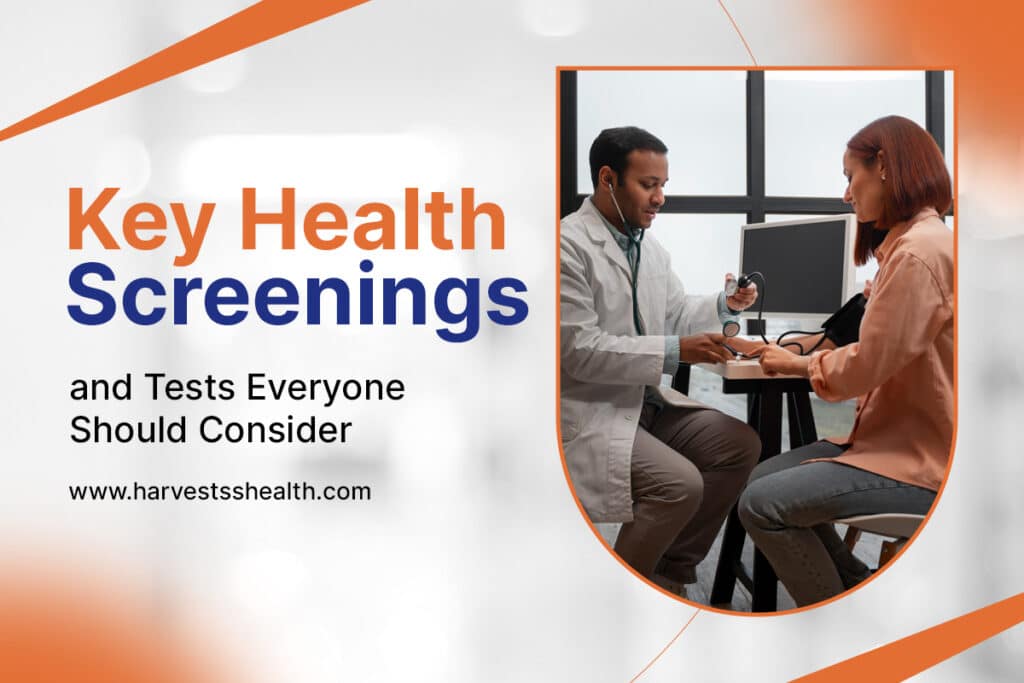
High blood pressure is often called the “silent killer” because it rarely shows symptoms. Left unmanaged, it increases the risk of heart attack, stroke, and kidney problems. Routine monitoring is quick, painless, and highly effective in tracking changes. For most adults, checking blood pressure at least once a year is recommended, or more frequently if readings are elevated.
Cholesterol Testing
Cholesterol is a fatty substance in the blood. Too much LDL, or “bad” cholesterol, can lead to plaque buildup in the arteries and raise the risk of heart disease and stroke. A simple blood test every four to six years is typically recommended starting at age 20, but people with risk factors may need to be tested more often.
Blood Glucose and Diabetes Screening
Checking your blood sugar can help detect prediabetes or type 2 diabetes. Those with a family history of diabetes, individuals who are overweight, or those who have other risk factors like high blood pressure may benefit from early and regular screening. Managing blood sugar levels early can prevent more serious complications later in life.
Colorectal Cancer Screening
Colon cancer is one of the most preventable yet deadly cancers. Screening typically starts at age 45 but may begin earlier if you have risk factors. Options include stool-based tests or colonoscopy. Your provider can guide you toward the best method for your needs.
Cervical Cancer Screening (Pap Test and HPV Test)
For women, Pap tests detect early signs of cervical cancer. Combined with HPV testing, these screenings are often started at age 21 and continue at regular intervals. Keeping up with these exams helps detect cellular changes before they progress.
Breast Cancer Screening (Mammograms)
Mammograms are recommended for women starting in their 40s, though some may need them earlier depending on family history. Early detection of breast cancer significantly improves the chances of successful treatment.
Prostate Health Screening
Men may consider PSA blood tests and other prostate health assessments beginning at age 50 or earlier if there’s a family history of prostate cancer. It’s a personal decision that should be made in conversation with a provider.
Other Important Screenings to Consider
Bone Density Testing
As people age, particularly women after menopause, the risk of osteoporosis increases. A bone density test can assess the strength of your bones and identify the need for treatment to prevent fractures.
Lung Cancer Screening
For individuals who have a history of heavy smoking or who are over the age of 50, low-dose CT scans may be recommended to detect lung cancer early, even before symptoms begin.
Skin Checks
If you have a history of sun exposure, frequent tanning, or fair skin, regular skin evaluations can help detect early signs of skin cancer, including melanoma. Providers may also teach you how to check your skin at home for suspicious moles or growths.
Hepatitis and HIV Testing
Testing for hepatitis B, C, and HIV is important for anyone at risk or those who haven’t been previously screened. These infections may not cause symptoms in their early stages, but can cause long-term damage if untreated.
Thyroid Function Tests
Fatigue, weight changes, and sensitivity to cold can be signs of an underactive thyroid. Blood tests can evaluate how well your thyroid is functioning and whether you need treatment.
Preventive Services That Go Beyond Screenings
Screenings are only one piece of a full preventive care plan. Other services support your overall wellness and help you maintain balance in your day-to-day life. Preventive treatment in Boynton Beach includes:
- Vaccinations: Staying up to date on immunizations protects against illnesses like flu, pneumonia, shingles, and COVID-19.
- Weight management support: Managing weight with the help of a provider can lower the risk of many chronic conditions.
- Nutritional counseling: Diet plays a key role in managing and preventing illness.
- Smoking cessation support: Quitting smoking reduces your risk of cancer, heart disease, and lung disease.
- Chronic condition management: Preventive care helps ensure that existing conditions, such as high blood pressure or diabetes, are managed effectively to avoid complications.
When to Begin Preventive Care
It’s never too early or too late to begin focusing on preventive care. Even if you feel healthy, routine visits help establish a baseline and detect small changes before they become major problems. Most people should schedule a preventive visit at least once per year. If you have risk factors, you may need to be seen more frequently.
Your provider will review your history, ask questions about your lifestyle, and work with you to design a care plan that fits your needs and goals. These visits are also your opportunity to bring up concerns, ask about your risk factors, and learn more about staying healthy as your needs evolve.
Following Up After a Screening
What happens after the test is just as important as the test itself. Your provider will review the results, explain what they mean, and talk with you about any next steps. If everything is within normal range, that information becomes part of your health record. If something abnormal is found, your provider will guide you through the follow-up process and ensure you’re supported every step of the way.
Effective preventive care depends on ongoing communication. The goal is not just to perform tests but to provide education, options, and confidence about your health plan moving forward.
Making Preventive Care Comfortable and Accessible
Preventive care should feel approachable and supportive. Whether you’re coming in for your first screening or are managing a chronic condition, your experience matters. A calm, respectful, and welcoming environment can make all the difference in helping you feel confident in your care.
This includes being clear about what tests are being performed, why they’re needed, and what to expect afterward. When patients are informed, they are more likely to participate in their care, keep up with screenings, and take meaningful steps toward improving their health.
Conclusion
Health screenings play a key role in protecting your long-term wellness. They help detect problems early, guide treatment decisions, and give you the information needed to stay healthy and confident. Preventive treatment in Boynton Beach supports your health through thoughtful, ongoing care—tailored to your age, risks, and goals. When you partner with a provider who listens and understands your needs, you get more than a checklist. You get support, clarity, and a path forward.
At Harvest SS Health, we are committed to helping you navigate every aspect of preventive care. We offer compassionate, reliable services designed to help you feel informed and cared for every step of the way. Your health deserves attention, and we are here to walk that journey with you.
Contact us today to schedule your preventive health screenings and get personalized care that supports your long-term wellness and peace of mind.